


6 Best Fences for Small Yards That Work

A small yard puts every fence decision in plain view. A bulky design can make the space feel boxed in, while a fence that is too open may leave a patio, play area, or dog run exposed. The best fences for small yards create the privacy, security, or boundary definition you need without overwhelming the property or stretching the budget.
The right choice depends on what the fence needs to do first. A homeowner who wants a safe enclosure for a dog has different priorities than someone screening a close neighbor or improving curb appeal along the front walk. Material, height, layout, gate placement, and local requirements all deserve attention before installation begins.
What Makes a Fence Work in a Small Yard?
In a compact space, the fence is not just a perimeter. It becomes part of the landscape and affects how open the yard feels. Light-colored materials, narrow rails, and open styles can make a limited area feel less confined. Solid panels provide stronger privacy, but their height and visual weight need to suit the lot.
Maintenance matters, too. Small yards are often close to the home, patios, gardens, and outdoor seating, so peeling wood, rust, or sagging gates are hard to ignore. Choosing a durable material and having posts installed correctly can prevent costly repairs later.
Before selecting a style, confirm property lines, utility locations, homeowner association rules if applicable, and municipal height restrictions. Fence rules can differ between front, side, and rear yards. A professional installer can help match the design to the site conditions and avoid placing a fence where it creates a future problem.
Best Fences for Small Yards by Need
Chain Link Fencing for Value and Visibility
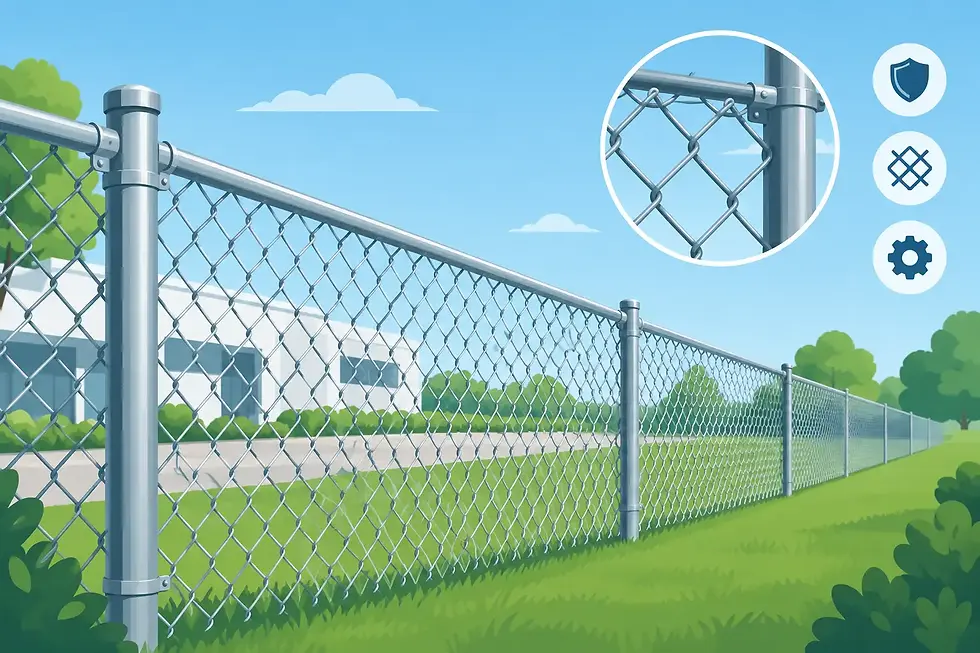
Chain link is one of the most practical choices for a small yard, especially when the goal is to contain pets, define a boundary, or improve security at a reasonable cost. Its open mesh allows sunlight and airflow through the yard, which helps a small space feel larger than a solid privacy fence would.
For homes with dogs, chain link offers a dependable enclosure that does not block sightlines from the house. It can also work well around side yards, gardens, utility areas, and compact rental properties. A properly sized gate makes mowing, trash access, and equipment storage much easier.
Standard galvanized chain link has a clean, functional appearance and strong value. Black vinyl-coated chain link offers a more finished residential look and tends to blend into landscaping better. Privacy slats can be added when more screening is needed, but they increase wind load and make the fence feel more enclosed. In a windy area, post depth and installation quality become especially important.
Vinyl Fencing for Low-Maintenance Privacy
Vinyl fencing is a strong fit for homeowners who want a clean, uniform privacy fence without regular painting or staining. White vinyl can brighten a small backyard, while darker colors may create a sharper, more modern border around patios and landscaped areas.
Solid vinyl panels are especially useful when neighboring homes are close together. They can block direct views, reduce visual distractions, and create a more private setting for outdoor dining or relaxing. The trade-off is that a tall solid fence can cast more shade and make a narrow lot feel tighter.
To avoid that closed-in effect, consider using solid privacy panels only where privacy is most needed, such as along the patio side or rear property line. A shorter fence, decorative top section, or more open side fencing can keep the overall yard from feeling heavy. Vinyl costs more upfront than basic chain link, but its low maintenance can make it a worthwhile long-term option.
Wood Fencing for a Custom Look
Wood remains a popular choice because it can be built in many heights, layouts, and styles. A simple vertical-board wood fence can provide privacy, while a horizontal design may give a small yard a more contemporary appearance. Wood can also be tailored around uneven ground, mature trees, or existing garden beds.
For a compact backyard, the quality of the installation matters as much as the wood itself. Straight lines, level tops, secure posts, and well-built gates make the fence look intentional rather than crowded. Good spacing and a finish that complements the home can turn the perimeter into a feature of the yard.
Wood does require ongoing care. Staining or sealing helps protect it from moisture, sun exposure, and seasonal temperature changes. Homeowners who want the warmth and flexibility of real wood should budget for maintenance rather than treating it as a one-time expense.
Ornamental Iron for an Open, Upscale Boundary
Ornamental iron fencing is ideal when visibility and curb appeal are more important than full privacy. Its narrow pickets create a defined boundary without blocking views of landscaping, gardens, or the home itself. This makes it particularly effective for front yards, small courtyards, pool areas where permitted, and properties with attractive landscaping.
Because ornamental iron is open, it does not provide privacy or stop every small animal. However, it delivers a polished appearance and dependable security when installed at an appropriate height. It can also pair well with a privacy fence in the backyard, allowing the front of the property to stay open and welcoming.
PVC Fencing for Clean Lines and Flexible Design
PVC fencing offers a similar low-maintenance appeal to vinyl and can be configured in privacy, semi-private, or picket-style designs. For small yards, a semi-private PVC design can be a smart compromise. It softens direct views from neighboring properties while still allowing some light and air through.
This material works best for homeowners who prefer a consistent, polished appearance and do not want to deal with repainting. As with vinyl, plan carefully around gates, corners, and grade changes. A small lot leaves little room to hide an awkward transition or a gate that swings into a walkway.
Picket Fencing for Front-Yard Definition
A low picket fence is a simple way to define a small front yard without making it feel shut off from the street. It can keep pets or children within a designated area when paired with a secure gate, while preserving visibility and a friendly streetscape.
Wood, vinyl, and PVC picket styles can all work depending on the desired look and maintenance level. Keep the height proportional to the home and landscaping. A fence that is too tall for a small front yard can hide the very curb appeal it was meant to improve.
Choose Height and Privacy Carefully
Fence height is one of the biggest decisions on a small property. A 4-foot fence may be enough for a visual boundary or many dogs, while a 6-foot fence offers more privacy and security. The best height depends on the purpose, local regulations, neighboring sightlines, and whether the yard has a raised deck or patio.
If privacy is the goal, look beyond the fence itself. Strategic planting can soften an open fence line, while a privacy screen near a seating area may solve the problem without enclosing the entire yard. This approach can save money and preserve light in a tight space.
Gates deserve the same planning. A narrow side yard may only need a walk gate, but a wider opening can be valuable for landscaping equipment, sheds, or future access. Gates should swing where they will not interfere with steps, air-conditioning equipment, pathways, or parked vehicles.
Get the Layout Right Before Installation
Small-yard fencing leaves little room for correction. A few inches can determine whether a gate clears a walkway, a post lands near a utility line, or a corner creates a usable planting area. Professional measurement and layout are worth it, particularly on irregular lots, slopes, shared boundaries, and properties with existing structures close to the line.
Vallarta Fence Calgary provides practical options ranging from cost-effective chain link with privacy slats to vinyl, wood, PVC, and ornamental iron fencing. A clear estimate that includes materials and labor makes it easier to compare the real project cost instead of sorting through unexpected add-ons.
A well-chosen fence should make a small yard more useful from the first day it is installed. Start with the job the fence must do, choose the material that supports that goal, and leave enough visual breathing room for the yard to remain a place you enjoy using.


Comments