


Black Chain Link Fence Gate Options

A black chain link fence gate does more than create an entry point. It affects how your property functions every day, from foot traffic and vehicle access to security, curb appeal, and long-term maintenance. If the gate is undersized, poorly framed, or installed without the right hardware, it becomes the weak point of the whole fence line.
For homeowners, property managers, and commercial buyers, the goal is simple: get a gate that looks clean, works smoothly, and holds up in real conditions. That means choosing the right opening width, latch type, frame strength, and finish from the start instead of treating the gate as an afterthought.
Why a black chain link fence gate is a popular choice
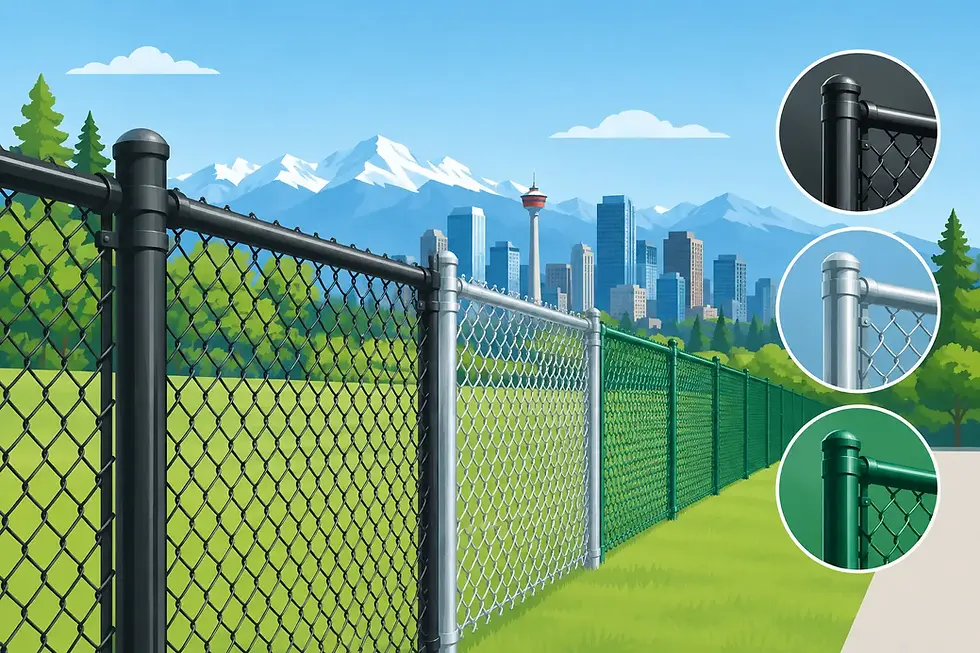
Black chain link has become a go-to option because it gives you the practical strength of chain link without the raw industrial look of galvanized steel. The black finish blends into landscaping, looks cleaner around homes and multi-family properties, and presents a more polished perimeter for schools, warehouses, dog runs, and business sites.
The gate matters just as much as the fence fabric. A well-built black chain link fence gate keeps the opening consistent with the rest of the fence, so the project looks intentional instead of pieced together. On residential properties, that can improve appearance from the street. On commercial and industrial sites, it helps maintain access control without sacrificing durability.
Cost is another reason buyers choose this style. Compared with many ornamental or custom fabricated gate systems, chain link gates are more budget-friendly while still delivering dependable performance. If you want professional results without overspending, this is one of the smartest places to start.
Choosing the right gate style for the property
There is no single gate that fits every project. The right choice depends on who needs access, how often the gate will be used, and what kind of traffic has to move through it.
Swing gates for everyday access
Swing gates are common for residential yards, side entries, and smaller commercial access points. They are practical, simple to operate, and cost-effective. A single swing gate works well for pedestrian access or smaller openings, while a double swing gate is better when you need wider clearance for equipment, trailers, or service vehicles.
The key trade-off is space. A swing gate needs room to open inward or outward, and grade changes can affect how smoothly it operates. On a tight lot or sloped area, that can limit your options.
Rolling gates for wider openings
Rolling gates make sense when you need vehicle access across a larger opening and do not want gate leaves swinging into the site or public area. These are common for industrial yards, storage lots, schools, and commercial properties where function matters more than decorative style.
They usually cost more than a standard swing gate because the hardware and support system are more involved. But for the right site, the convenience is worth it, especially when traffic volume is higher.
Pedestrian gates for controlled entry
If the main goal is foot traffic control, a smaller pedestrian gate is often the best fit. This works well for backyards, pool areas, apartment walkways, dog runs, and side access paths. The benefit is straightforward access without creating a larger opening than you need.
A smaller gate can also be easier to secure. If security and access control are priorities, that matters.
What to look for in gate construction
Not all chain link gates are built the same. Two gates can look similar at a glance but perform very differently over time.
A strong frame is one of the first things to check. The gate frame needs to resist sagging, especially on wider openings or high-use entries. Good hardware also matters. Hinges, latches, rollers, and posts take constant stress, and low-quality parts tend to show problems early.
Post size and footing depth are just as important as the gate itself. A heavy gate attached to undersized posts is asking for alignment issues later. In areas with freeze-thaw cycles and changing ground conditions, proper installation is what keeps the gate opening and closing the way it should.
The black finish should also be durable, not just visually appealing on day one. A properly finished black chain link fence gate should be able to handle sun exposure, moisture, and regular use without quickly looking worn out.
Sizing matters more than most buyers expect
Gate size has a direct impact on daily convenience. A gate that is too narrow creates frustration every time you move equipment, lawn tools, garbage bins, or vehicles through the opening. A gate that is too wide without the right support can create unnecessary strain on the system.
For residential properties, the right size often depends on whether the gate is for people only or if it needs to accommodate mowers, trailers, or RV access. For commercial and industrial sites, sizing should reflect actual operations, not best guesses. Delivery trucks, maintenance equipment, and emergency access all need to be considered before installation begins.
This is where experienced site planning pays off. Getting the opening right the first time saves money and avoids rework later.
Security features worth considering
Some buyers want a gate that simply closes. Others need a gate that actively controls access. The difference affects hardware choices.
A standard latch may be enough for a backyard or side yard. For higher-security applications, lockable latches, stronger closures, and more controlled entry systems are often the better route. Commercial properties may also need wider gates paired with specific lock setups for staff, tenants, or vendors.
Privacy slats can also be added to black chain link systems when visual screening matters. That will not replace a true privacy fence, but it can reduce visibility into a property while keeping the cost and practicality benefits of chain link.
If the site includes pets, children, or public-facing access, the security conversation changes again. In those cases, smooth gate operation and dependable latching are not optional. They are part of keeping the property safe and functional.
Residential, commercial, and industrial needs are different
A homeowner choosing a black chain link fence gate usually cares about appearance, affordability, and easy day-to-day use. The gate should match the fence, work reliably, and look clean from the street or backyard. Side yard access, pet containment, and secure rear entry are common priorities.
A property manager may be focused on tenant durability, repeat use, and practical maintenance. Gates at multi-family properties need to perform consistently, especially in shared spaces where constant use exposes weaknesses quickly.
For commercial and industrial buyers, the conversation shifts toward perimeter control, traffic flow, and jobsite demands. Warehouses, storage yards, schools, and business facilities often need larger openings, heavier-duty components, and gate systems designed for regular use. The cheapest option upfront is not always the best value if it creates downtime or early repairs.
Why professional installation pays off
A gate is not the place to cut corners. Even a quality product can underperform if the layout is off, the posts are set poorly, or the hardware is not matched to the opening.
Professional installation helps avoid the common problems buyers run into later: dragging gates, sagging frames, sticking latches, uneven gaps, and poor alignment with the fence line. It also helps ensure the gate is built for the property instead of forced into a one-size-fits-all setup.
That matters on small backyard projects and large commercial jobs alike. A contractor with chain link experience can recommend the right style, size, and support system based on actual site conditions. That means fewer surprises, better long-term performance, and more confidence in the finished result.
For buyers comparing quotes, all-in pricing is worth attention. Materials alone do not tell the full story. Labor, hardware, post setting, and installation quality all affect the real value of the project. A competitive quote should be clear, practical, and built around how the gate will actually be used.
Getting the best value from your gate project
The best value is not always the lowest number on paper. It is the gate that fits your property, meets your access needs, and keeps performing without constant adjustment or replacement.
That usually means asking the right questions early. How wide should the opening be? Will the gate be used daily or occasionally? Do you need pedestrian access, vehicle access, or both? Is appearance just as important as function? Once those answers are clear, it becomes much easier to choose a black chain link fence gate that makes sense for your budget and your property.
At Vallarta Fence Calgary, projects are approached with that practical mindset - matching the right gate solution to the site, the use, and the price point. Whether the job is a backyard, dog run, school, acreage, or commercial yard, the goal stays the same: solid workmanship, fair pricing, and a gate that does its job without creating extra problems later.
If you are planning a new fence or upgrading an existing opening, treat the gate like a core part of the project, not an add-on. A good gate saves time, improves security, and makes the whole fence system work the way it should.


Comments