


Can Chain Link Contain Dogs? What Actually Works

Updated: Oct 6
A dog fence only works when it addresses the way your dog actually behaves. A calm, small dog has very different containment needs than a large, athletic dog that jumps, digs, or charges the gate when someone walks by. So, can chain link contain dogs? Yes—when the fence is designed around the dog, the yard, and the weak points that cause most escapes.
Chain link is one of the most practical choices for dog runs, backyards, acreages, and commercial pet areas because it is durable, visible, and cost-effective. However, choosing the lowest fence height or treating the gate as an afterthought can turn a good fence into an easy escape route. The details matter.
Can Chain Link Contain Dogs Safely?
A properly installed chain link fence can safely contain most dogs. The fence needs adequate height, tightly stretched fabric, properly set posts, a secure gate, and protection against digging or climbing where needed. It should also be maintained over time. A loose bottom rail, bent gate frame, or gap under the fabric gives a determined dog an opening.
Chain link works especially well because it gives dogs a clear view beyond the property without blocking sunlight or airflow. That can make a yard feel more open than a solid privacy fence. It is also a sensible option when you need to enclose a larger area, such as a dog run beside a home, a multi-unit property, a school yard, or an acreage.
Still, chain link is not one-size-fits-all. A fence that holds a senior beagle may not contain a young Husky, German Shepherd, or Labrador with a habit of clearing barriers. The right answer depends on your dog's size, strength, athletic ability, and escape habits.
Start With the Right Fence Height
For many small and medium dogs, a 4-foot chain link fence is often enough when the dog does not jump or climb. It is a common and economical choice for basic backyard containment. However, 4 feet is not a safe assumption for every dog.
A 5-foot or 6-foot fence is usually the better investment for large breeds, energetic dogs, or dogs that have already tried to jump a fence. Height is especially valuable when the yard backs onto a sidewalk, green space, or another area with regular activity that may excite your dog. A taller fence creates a more reliable physical boundary and gives owners more peace of mind.
Dogs that climb deserve extra attention. Some dogs use the chain link openings like footholds, particularly if they are motivated by wildlife, neighboring dogs, or separation anxiety. For climbers, a taller fence may be combined with a smooth top extension, a coyote roller, or another anti-climb feature. Privacy slats can reduce visual triggers, but they should not be treated as a climbing solution by themselves.
Choose Mesh and Wire That Match the Dog
Standard chain link fabric is strong and versatile, but wire gauge and mesh opening affect how well it performs. Heavier-gauge wire is a better choice for large, powerful dogs or for properties where the fence may receive regular impact. It is less likely to bend when a dog leans, paws, or runs against it.
Mesh size matters for small dogs and puppies. Larger openings can allow a small head, paw, or body to push through in certain situations. Smaller mesh is often worth considering for toy breeds, puppies, or dog runs that must contain dogs of different sizes. A professional installer can recommend a practical combination of fabric strength and mesh size without overbuilding the entire project.
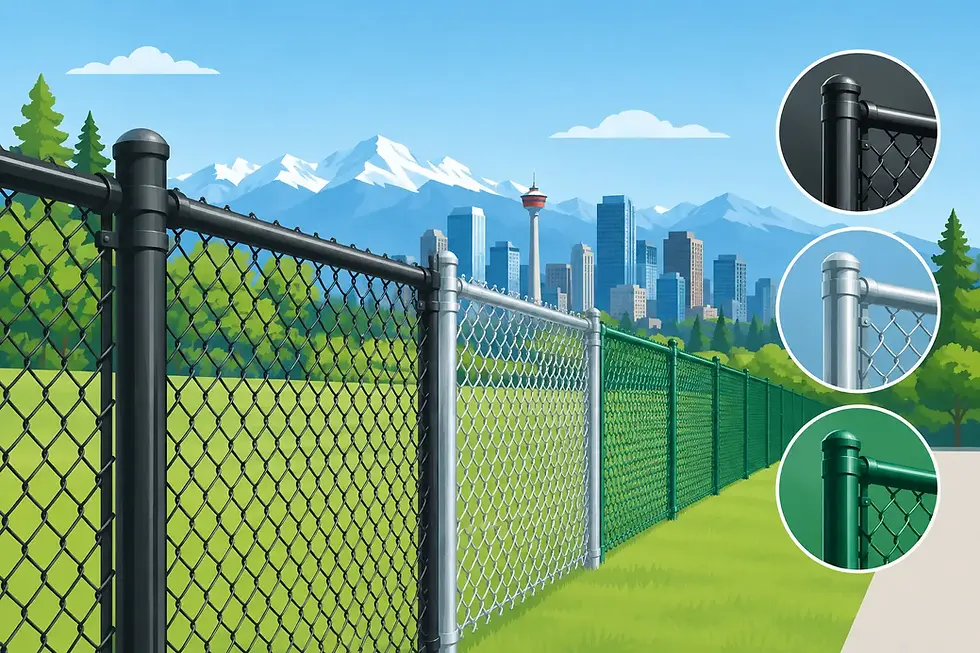
Vinyl-coated chain link is another option for homeowners who want a softer-looking finish. Black vinyl-coated fabric can blend into landscaping and make the fence less visually prominent from a distance. Galvanized chain link remains a dependable, budget-friendly choice for many residential and commercial installations. Both can work well when the frame, fabric tension, and gate hardware are properly installed.
Do Not Overlook Fabric Tension
Even quality chain link can fail as a dog fence if it is loose. The fabric should be stretched correctly and secured to a solid framework. A dog that repeatedly pushes against sagging fabric may gradually create enough space to crawl underneath or force through a weak section.
Terminal posts, line posts, top rails, tension bars, and ties all work together to keep the fence stable. This is why professional installation matters. A fence may look acceptable on day one but loosen quickly if the posts are not set correctly or the fabric was not tensioned properly.
Stop Digging Before It Starts
Digging is one of the most common reasons dogs escape fenced yards. Some dogs dig out of boredom, while others dig because they smell animals underground or want to get past the barrier. A chain link fence needs a plan at ground level, especially for dogs with a known digging habit.
One solution is to extend the chain link fabric below grade. Another is to install a buried wire apron that runs outward from the fence, making it difficult for a dog to tunnel under. Concrete edging can work in select areas, particularly around gates, kennel runs, or high-traffic corners. The best option depends on the soil, drainage, landscape design, and how intensely the dog digs.
Avoid relying on loose rocks, garden borders, or temporary blocks alone. Dogs can move them, dig around them, or find the one unprotected spot. A continuous barrier is more dependable than a patchwork fix.
If your dog has started digging, address the behavior as well as the fence. More exercise, supervised outdoor time, shade, water, and enrichment can reduce the urge to escape. The fence should provide security, but it cannot solve every behavior issue on its own.
The Gate Is the Most Important Moving Part
A strong fence line is useless if the gate does not latch consistently. Gates should have a sturdy frame, properly aligned hinges, and a latch that cannot be bumped open by a dog pushing from inside. For large or persistent dogs, a self-closing hinge and a lockable latch add a useful layer of security.
Check that the gate does not leave a gap beneath it. Uneven ground, settling posts, and frost movement can create an opening that a small dog may exploit. Gates should swing freely without dragging, but they also need to close tightly against the post.
For dog runs and busy properties, consider a double-gate entry area. This creates a second barrier between the dog and the outside world. It is especially helpful where children, staff, maintenance crews, or visitors may be entering and leaving frequently.
Privacy Slats: Helpful, But Not a Containment Upgrade
Privacy slats can make a chain link dog fence more comfortable and more attractive. They limit visibility through the fence, add color options, and can reduce the number of visual triggers that cause barking or fence running. For a dog that reacts to pedestrians, neighboring pets, or passing vehicles, that can make a noticeable difference.
However, slats do not make a low fence taller or a loose fence stronger. They should be added after the structure is already suitable for containment. In windy locations, privacy products also increase wind load, so the frame and post system must be selected with that in mind.
When Chain Link May Not Be the Best Choice
Chain link is a strong fit for many dog owners, but it has limits. A highly anxious dog that climbs aggressively may need a specialized enclosure design. A dog that becomes reactive from seeing people or animals outside the property may do better with a solid privacy fence or with chain link combined with carefully chosen privacy screening.
For dogs that can chew through lighter materials, chain link is often more durable than wood or vinyl. But no fence should be considered a substitute for supervision when a dog has a serious escape history. If your dog has jumped, tunneled, chewed, or forced open gates before, plan for those specific behaviors instead of hoping a standard installation will change them.
Property layout also matters. Sloped yards, retaining walls, landscaping, utility lines, and existing structures can affect fence design. A customized layout can close gaps and create a cleaner, safer result than trying to force a standard fence line across difficult ground.
Get a Fence Designed for Your Dog and Property
The best chain link dog fence is not necessarily the most expensive one. It is the one built with the correct height, gauge, mesh, gates, and ground protection for your situation. That approach avoids paying for features you do not need while preventing the costly frustration of rebuilding an undersized fence later.
Vallarta Fence Calgary provides professional chain link fence installation for residential yards, dog runs, acreages, and commercial properties, with material and design options tailored to each project. A clear estimate should account for both labor and materials, along with the gate and containment details that keep your dog safely where it belongs.
Before choosing a fence, watch how your dog approaches boundaries for a few days. Whether it jumps, digs, climbs, squeezes through, or rushes the gate will tell you far more about the fence you need than breed or size alone.
Conclusion
In conclusion, selecting the right chain link fence for your dog is crucial. It requires careful consideration of your dog's behavior, the fence's height, and the materials used. A well-designed fence not only keeps your dog safe but also enhances your property.
If you need assistance in choosing the right fence, feel free to reach out. Our team at Vallarta Fence Calgary is here to help you make the best choice for your home and your furry friend.


Comments