


Fence Height Rules for Calgary Properties

A fence that looks perfect on paper can become an expensive correction if it blocks a sightline, crosses a property line, or exceeds local limits. Fence height rules should be checked before materials are ordered, posts are set, or a gate is designed. For Calgary homeowners, property managers, and business owners, a few early measurements can prevent delays and help ensure the finished fence delivers privacy, security, and value.
The right height depends on more than the fence material. It can change based on whether the fence is in a front yard, side yard, rear yard, corner lot, commercial site, acreage, or around a pool. Grade changes, retaining walls, utility access, and community requirements can also affect what is practical and permitted.
Fence Height Rules Start With Location
Most fence restrictions are based on where the fence sits on the property. Rear and interior side yards commonly allow more height than a front yard because taller fencing can reduce visibility from streets and driveways. A privacy fence that works well behind a home may not be appropriate along the front property line.
Corner lots need extra attention. Municipal rules often protect visibility near intersections, sidewalks, alleys, and driveways. A solid wood or vinyl fence may create a blind spot for drivers, cyclists, or pedestrians if it is installed too high near a corner. In these areas, an open-style ornamental or chain link design may be a better fit, or the fence line may need to step back from the corner.
Commercial and industrial properties have different priorities. Warehouses, schools, storage yards, dog runs, and business facilities may need taller perimeter fencing for access control and site security. That does not automatically mean every height is allowed. Visibility, emergency access, zoning, and the intended use of the property can all influence the final design.
How Fence Height Is Measured
The question is not only how tall the panels are. It is how the municipality measures the completed fence from the surrounding grade. This becomes especially important on sloped lots, where a fence can appear much taller from one side than the other.
A retaining wall adds another layer of planning. Installing a six-foot privacy fence on top of a raised wall may create a much greater overall barrier than expected. Depending on the site, the wall and fence may be evaluated together, and additional permits or engineering may be needed. Do not assume a standard panel height will be acceptable just because the fence itself is common.
Before installation, confirm the grade at each post location, particularly along uneven side yards and backyards. Stepped panels can follow a slope cleanly, while rackable chain link fencing can angle with the terrain. The best option depends on the material, the look you want, drainage conditions, and the height that must be maintained along the property line.
Front Yard, Backyard, and Side Yard Differences
A backyard is usually where property owners want the most privacy. Wood, vinyl, PVC, and privacy-slatted chain link are practical options for enclosing a patio, dog area, or family yard. Taller rear-yard fencing can create separation from neighboring homes, alleys, and busy streets, but the proposed height should still be confirmed before work begins.
Front-yard fencing is often lower and more open by design. Many homeowners choose ornamental iron, chain link, or a shorter decorative wood fence to define the property without creating a closed-in appearance. A low front fence can improve curb appeal, keep pets contained, and provide a clear boundary while preserving visibility.
Side yards can be less straightforward. A side fence may begin as a lower front-yard fence and transition to a taller privacy fence farther back on the lot. This approach can make the property look balanced while respecting the different requirements that may apply near the front of the home.
Property Lines, Easements, and Neighbor Conversations
Fence height is only one part of a compliant installation. A fence in the wrong location can create a larger problem than a fence that is a few inches too tall. If the property line is uncertain, review the real property report or arrange a professional survey before setting posts.
Do not place permanent fencing within a utility right-of-way or easement without checking access requirements. Utilities may need to reach buried or above-ground infrastructure, and a fence can sometimes need to be removed if access is required. Gates, removable panels, or a revised fence route can help solve this problem without sacrificing the overall layout.
It is also smart to speak with adjoining neighbors before installation, especially when a shared boundary fence is planned. A direct conversation can prevent disagreement about placement, style, gates, and cost. Even if one owner is paying for the project, clear communication makes the process easier for everyone.
Pool, Dog Run, and Security Fence Requirements
Some fences are built for more than privacy. Pool enclosures, dog runs, child-safety areas, construction sites, and commercial compounds may have additional requirements for height, gate latches, gaps, climbability, or self-closing hardware.
Pool fencing deserves particular care. The enclosure, gate operation, and clearances can matter as much as the fence height. A privacy fence may look secure but still fail to meet safety requirements if a gate is not properly equipped or an opening is too large. Confirm the applicable rules before choosing the fence system.
For dog runs, chain link is a cost-effective and durable choice, especially when paired with privacy slats for added screening. The correct height depends on the dog, the location, and whether the enclosure is attached to an existing fence. Large or active dogs may need a taller design, stronger posts, and a secure gate latch.
Security fencing for commercial and industrial properties often calls for chain link with heavier framework, taller heights, barbed-wire options where permitted, privacy slats, or custom access gates. The best setup should balance security with visibility, maintenance needs, and the rules that apply to the site.
HOA Rules and Permit Checks Can Change the Plan
A municipal approval is not always the only requirement. If the property is part of a homeowners association, condominium development, or planned community, there may be separate architectural guidelines for fence height, colors, materials, and placement. A vinyl fence color or ornamental style that suits the property may still need community approval.
Permits may also be required in situations involving retaining walls, unusual heights, gates near public access, or specific types of commercial work. Requirements can change, so it is better to verify current standards with the relevant local authority than rely on a neighbor's older project or general advice online.
For larger properties and multi-phase developments, plan the fence layout alongside landscaping, drainage, access roads, dumpsters, loading areas, and future expansion. Moving a fence after the site is finished costs more than coordinating the layout at the start.
Choose a Fence That Meets the Rule and the Need
The lowest permitted height is not always the right height, and the tallest possible fence is not always the best investment. A rear yard facing a busy road may benefit from a privacy-focused design, while a front boundary may look better and function better with an open ornamental fence. Chain link can provide dependable containment at a competitive price, while privacy slats offer more screening without switching to a full solid fence.
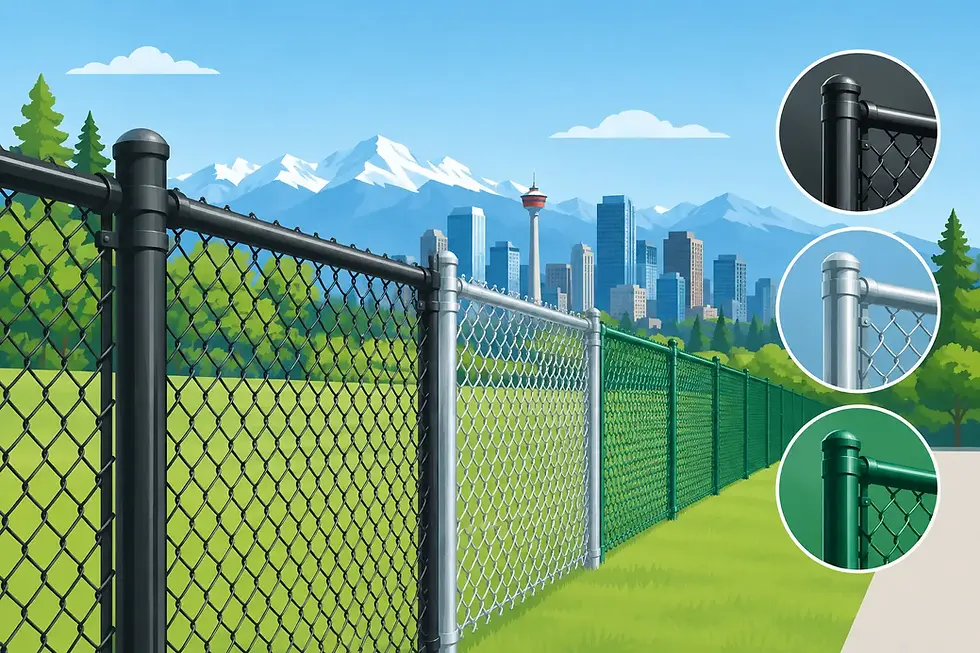
Material selection matters in Calgary conditions. Wood offers a classic privacy look but requires maintenance over time. Vinyl and PVC provide a clean appearance with lower upkeep. Ornamental iron delivers a polished, open design for residential and commercial properties. Chain link remains a practical choice for homes, acreages, schools, dog runs, warehouses, and perimeter security because it is durable, adaptable, and available in several heights and configurations.
A professional site review helps identify issues before they become change orders. Vallarta Fence Calgary can assess the property layout, discuss height and material options, and provide an all-in estimate that includes labor and materials. That makes it easier to compare practical choices instead of guessing what the final project will cost.
Before you commit to a fence design, confirm the property line, check the applicable local and community rules, and think about how the fence will perform from both sides of the yard. A well-planned fence should do more than meet a height limit - it should make the property safer, more useful, and easier to enjoy for years.


Comments