


How to Choose Fence Height for Your Property

A fence that looks right from the street can still fail the people who use the property every day. A 4-foot fence may define a front yard neatly, while the same height may do little to contain a large dog, block an overlooking window, or secure a commercial lot. Knowing how to choose fence height starts with the job the fence must do, then balances that need with local rules, property layout, material, and budget.
For homeowners, managers, and business owners, height is not just a design detail. It affects privacy, security, wind exposure, gate design, installation cost, and whether the finished fence fits the neighborhood or site requirements. The right answer is rarely a single standard measurement.
Start With the Fence’s Main Purpose
The best fence height is the shortest height that reliably solves the problem. Going taller than necessary adds material, labor, post depth, and wind load. Going too short can mean paying for a replacement sooner than expected.
A boundary fence meant to define a front lawn or separate neighboring properties often works well at 3 to 4 feet. This height creates a clear edge without making the yard feel closed in or blocking visibility near driveways and sidewalks. Ornamental iron, vinyl picket, and shorter chain link fences are common practical choices for this application.
Privacy fences usually need more height. A 6-foot wood, vinyl, PVC, or chain link fence with privacy slats is a common starting point for a backyard where people want to relax, use a patio, or enjoy a pool area with less exposure to neighboring homes. However, a 6-foot fence will not always screen a second-story window or a raised deck. In those cases, thoughtful placement, landscaping, or a privacy screen may be more effective than simply building higher.
Containment has its own requirements. Small dogs may stay safely inside a 4-foot fence, but athletic or large dogs often need 5 or 6 feet. Dogs that dig, climb, or react strongly to activity outside the yard may also need a more secure bottom edge, tighter gate hardware, and a fence style without easy footholds. For dog runs, the total enclosure matters as much as fence height, including gate placement and the condition of the ground line.
For commercial and industrial sites, height is usually tied to access control and risk. A warehouse perimeter, equipment yard, school site, or storage area may require a 6-foot chain link fence, while higher fencing may be appropriate for locations with greater security concerns. Privacy slats, barbed wire, controlled-access gates, and heavier materials are separate decisions that should match the property’s actual security needs and permitted use.
How to Choose Fence Height by Area of the Property
Front, side, and rear yards often have different practical limits. Before selecting a fence, walk the property and view it from inside, from the street, and from neighboring sightlines. This shows where height helps and where it creates a problem.
Front Yard Fences
Lower fences are usually the safer choice in front yards. They preserve curb appeal, maintain visibility for vehicles and pedestrians, and are less likely to conflict with community standards. A 3- or 4-foot ornamental, vinyl, wood, or chain link fence can keep children or pets within the yard while still making the entrance welcoming.
Corner lots need extra care. Tall fencing close to an intersection can create sightline concerns for drivers. Setbacks and maximum heights may apply near sidewalks, driveways, alleys, and road corners, so verify the applicable local requirements before installation.
Side Yard Fences
Side yards are where many property owners want immediate privacy, especially between closely spaced homes. A 6-foot fence may create a comfortable and useful separation, but check the grade first. If one yard sits higher than the other, a fence measured from one side can feel considerably taller from the neighboring property.
Utility access is another factor. A fence that blocks access to meters, utility equipment, or required easements can create avoidable issues later. A well-located gate may be a better solution than lowering the entire fence.
Backyard Fences
Backyards offer the most flexibility for privacy, pet containment, and family use. Six feet is a practical height for many Calgary-area residential yards because it provides meaningful screening without overpowering a typical lot. If wind is a concern, especially on open lots or acreages, the fence design and post installation need as much attention as the height.
A solid 6-foot panel catches far more wind than an open chain link fence. In exposed areas, a contractor may recommend stronger posts, deeper footings, spacing adjustments, or a design that allows some air to pass through. These details protect the fence from leaning, loosening, or failing during harsh weather.
Check Local Rules Before You Commit
Fence rules can differ by municipality, neighborhood, property type, and placement. Height restrictions may apply to front yards, rear yards, corner lots, pool enclosures, commercial sites, and properties near public pathways. Homeowners’ associations, condo boards, and commercial property agreements can also set material, color, and design requirements.
Do not assume a neighbor’s existing fence is automatically permitted or suitable for your lot. Before ordering materials or scheduling installation, confirm local bylaws, permit requirements, property lines, easements, and any community rules that apply. This is especially worthwhile when planning a tall privacy fence, a security fence, or fencing near a road or alley.
If you are replacing an old fence, measure it but do not treat its current height as the final answer. The old installation may not meet present requirements, may have settled over time, or may have been built without considering the current property use.
Match Fence Height to the Material
The same height can perform very differently depending on the fence material. Material changes visibility, durability, maintenance needs, wind resistance, and overall cost.
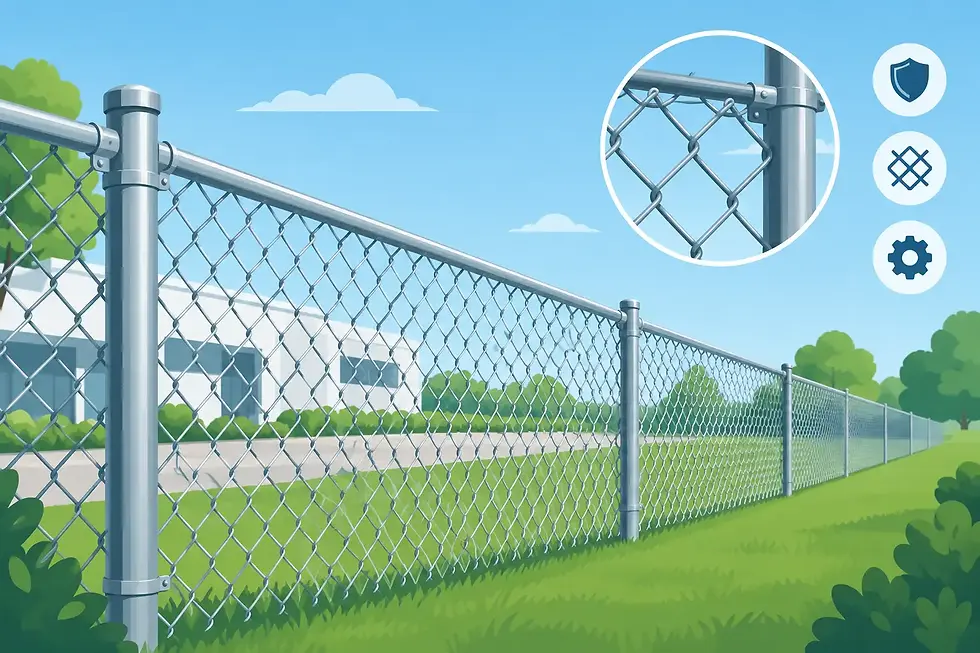
Chain link is a cost-effective choice for pet containment, property boundaries, sports areas, schools, dog runs, and commercial perimeters. It provides clear sightlines and long service life with proper installation. For more privacy, colored chain link and privacy slats can reduce visibility while maintaining the practical strength of a chain link system. A 4-foot chain link fence may be ideal for a basic yard enclosure, while 5- or 6-foot fencing is often better for larger dogs and commercial applications.
Wood gives a more traditional privacy look and can be built in several heights and styles. It is well suited to backyard screening, but taller solid wood fences need quality posts and proper installation to manage wind and seasonal movement. Maintenance should also be considered over the long term.
Vinyl and PVC fencing offer a clean, consistent appearance with limited routine maintenance. They are often selected for residential privacy and decorative boundary fencing. Since solid panels catch wind, selecting the correct post system and installation method matters more as the fence gets taller.
Ornamental iron provides strength, a polished appearance, and visibility. It works well for front yards, entrances, pools, multi-family properties, and commercial locations where a solid privacy barrier is not needed. Height can improve security, but the open design will not create visual screening on its own.
Account for Grade, Retaining Walls, and Neighboring Homes
Fence height should be measured in the real conditions of the property, not only from a product brochure. Sloped lots can make a standard-height fence look uneven, leave gaps under panels, or create sudden height changes at property lines.
Stepped fencing follows the slope in level sections and is often practical for chain link, vinyl, and some wood designs. Racked fencing follows the grade more smoothly, which can improve appearance and reduce gaps on gradual slopes. The best option depends on the material, the severity of the slope, and whether containment or privacy is the main goal.
Retaining walls require added planning. A fence installed on top of a wall may have a much greater apparent height and may face different structural or safety considerations. Do not treat the wall as a simple substitute for proper fence posts and footings. A professional site review can identify the right approach before work begins.
Plan for Gates and Everyday Use
A fence is only as functional as its access points. A tall fence with a narrow, poorly placed gate can make yard maintenance, garbage handling, equipment access, or emergency entry difficult. Decide early whether you need a walk gate, double gate, rolling gate, or a custom gate for a driveway or commercial entrance.
Gate height should generally match the fence for security and appearance. Wider and taller gates need stronger posts and hardware because they carry more weight and experience more movement. For businesses, schools, acreages, and storage yards, gate operation and vehicle clearance can influence the entire fence layout.
Choose Value, Not Just the Tallest Option
A higher fence costs more because it uses longer posts, more material, and often requires additional labor and stronger construction. That does not mean a shorter fence is always the better value. A properly installed 6-foot chain link fence with privacy slats may offer better long-term value than a lower fence that does not provide the privacy or containment you need.
Ask for an all-in estimate that clearly accounts for materials, labor, posts, gates, removal of old fencing if needed, and site conditions. Comparing complete project pricing makes it easier to choose a fence that fits your property and budget without surprise costs later.
Vallarta Fence Calgary can help assess your lot, intended use, material options, and practical height choices before installation. A free estimate gives you a clear starting point for a fence built around the way your property actually works.
The right fence height should make daily life easier - keeping pets where they belong, creating the privacy you want, securing valuable areas, and still looking appropriate for the property. Start with the problem you need solved, confirm the rules, and choose a design that will continue to work well years after installation.


Comments