


How to Measure a Gate Opening Correctly for Fencing

A gate that is even slightly too wide, too narrow, or set on uneven ground can turn a new fence into a daily frustration. To measure gate opening correctly, you need more than the width you want to walk or drive through. You also need to account for gate posts, hinges, latches, clearance, and the slope of the ground.
For a residential walkway, dog run, commercial access point, or driveway gate, accurate measurements help prevent delays, change orders, and a gate that drags, binds, or will not latch properly. Taking a few careful measurements before ordering materials or scheduling installation protects your budget and ensures the gate works as intended.
Start With the Clear Opening You Need
The first measurement is the usable opening - the clear space available when the gate is fully open. Think about what needs to pass through it, not only what fits today.
A pedestrian gate commonly needs a 36-inch clear opening for comfortable daily access. A 42-inch or 48-inch opening may be a better choice when moving lawn equipment, garbage bins, wheelbarrows, strollers, or mobility equipment. For dog runs and side yards, a wider gate can make maintenance much easier.
Driveway and commercial gates need more planning. Measure the widest vehicle, trailer, skid steer, delivery truck, or maintenance equipment expected to enter the property. Then add room for a safe approach and turning angle. A gate opening that barely clears a vehicle may be technically usable, but it is rarely convenient.
For example, a 12-foot driveway opening can work well for many residential vehicles. Acreages, warehouses, contractor yards, and facilities that receive larger trucks may require 14, 16, or more feet. The correct size depends on the site, vehicle traffic, and available room for the gate to swing or slide.
Measure Between the Finished Gate Posts
The gate opening is generally measured from the inside face of one finished gate post to the inside face of the other. This is different from measuring between fence panels, existing holes, or the outside edges of posts.
If posts are not installed yet, mark their intended locations and confirm the finished inside-to-inside dimension. Post diameter matters. A chain link gate post is larger than a line post, and ornamental, wood, vinyl, and custom gate systems all use different post configurations.
Do not assume the gate leaf should match the post-to-post opening exactly. A gate needs clearance for hinges and latch hardware, plus a small gap so it can move freely. The amount of allowance depends on the gate type and hardware. A professional installer will size the gate leaf to fit the opening and account for the selected hinges, latch, and frame design.
Take Three Width Measurements
Measure the opening at the bottom, center, and top. Write down all three measurements.
If the numbers differ, use the narrowest measurement as the starting point. Posts that lean inward, are not aligned, or are set at different distances apart can create a gate that fits at one height but rubs at another. This is especially common when replacing an old gate or connecting a new gate to existing fence posts.
A tape measure is usually enough for a small gate. For long driveway openings, use a quality long tape and verify the result a second time. Record measurements in feet and inches rather than rounding them off.
Check Ground Level Before Choosing Gate Clearance
Width is only half the job. The ground directly under the gate determines whether it can swing freely.
Measure from the bottom of the proposed gate area to the ground at both posts and at several points in between. Note any rise, dip, curb, retaining edge, concrete pad, gravel buildup, or drainage channel. A gate installed too close to the ground can drag when frost shifts the soil or when snow and ice accumulate. Too much space below the gate can reduce security and allow pets to slip out.
In areas with winter weather, ground clearance deserves extra attention. A driveway gate that works in summer may become difficult to open when packed snow builds up. The right clearance depends on the gate’s purpose. A secure dog enclosure may require a lower gap, while a vehicle gate or commercial access point may need more room below it.
If the ground slopes upward in the swing path, a standard swing gate may not be the best choice. Depending on the site, the solution may be a specially designed gate, a different swing direction, grading work, or a sliding gate system. It depends on space, budget, security needs, and how often the gate will be used.
Account for Gate Swing and Nearby Obstacles
Before finalizing the opening, stand where the gate posts will be and picture the full swing path. A single gate needs enough clear space to open without hitting a parked vehicle, wall, landscaping, building corner, utility equipment, or another fence section.
Measure the available space behind the gate line. A 4-foot gate needs approximately 4 feet of unobstructed swing room. Double gates split the opening into two leaves, which reduces the swing area needed for each leaf but adds center-latch hardware and more alignment considerations.
For wide openings, double swing gates are often a practical option. They can provide a broad vehicle entrance without requiring one extremely heavy gate leaf. However, they need a stable center closure and careful adjustment so both leaves meet and latch properly. A drop rod may also be used to secure one leaf when the gate is closed.
Sliding gates are useful where a swing gate would block a driveway, interfere with traffic, or struggle with a slope. They require enough horizontal room along the fence line for the gate to travel. Measure that side space before selecting a sliding design.
Choose the Right Gate Style for the Fence
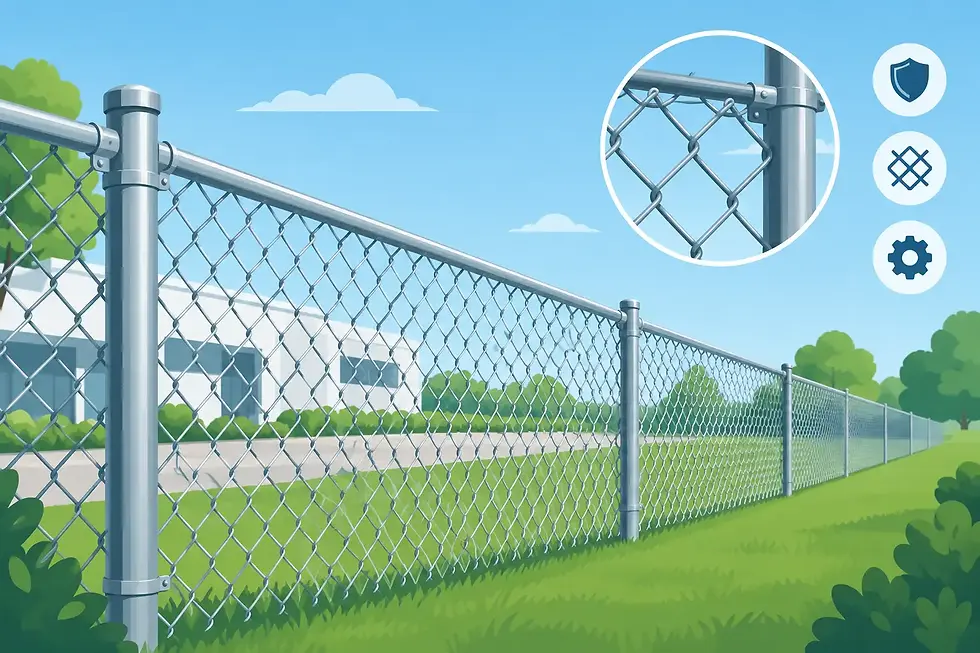
Gate measurements should match the fence system, not just the opening. Chain link gates are a cost-effective choice for homes, schools, dog runs, warehouses, sports areas, and industrial sites. They can be built as walk gates, single driveway gates, or double gates and can be fitted with privacy slats when more screening is needed.
Wood, vinyl, PVC, and ornamental iron gates have different weight and support requirements. A decorative gate may need heavier posts or reinforced framing. A solid privacy gate catches more wind than an open chain link gate, so the posts, hinges, and frame need to support that added force.
This is where choosing the least expensive gate size without considering materials can cost more later. A larger opening may be convenient, but it may also require stronger posts, upgraded hardware, or a double-gate configuration. The best value is a gate designed for how the property will actually be used.
Common Measuring Mistakes That Create Problems
The most common mistake is ordering a gate based on the desired walk-through or drive-through width without allowing for the posts and hardware. Another is measuring an old gate rather than the actual finished opening. Old gates can sag, warp, or have been installed with nonstandard gaps.
Property owners also sometimes overlook grade changes and obstructions. A gate may look fine on a drawing but fail once it reaches a sloped driveway, a raised concrete edge, or a snow storage area.
Avoid measuring only once. Confirm the width, ground clearance, and swing area before materials are ordered. If your project involves a wide opening, a heavy privacy gate, commercial traffic, or uneven terrain, an onsite assessment is the safest approach.
What to Have Ready for Your Fence Estimate
A clear estimate starts with useful site information. Have the approximate opening width, fence height, preferred material, and intended gate use ready. Photos of the opening and surrounding area can also help identify slope, access restrictions, existing posts, and nearby obstacles.
Let the contractor know whether the gate is for people, pets, vehicles, deliveries, equipment, or emergency access. Mention if you need self-closing hinges, a lockable latch, privacy slats, automation preparation, or a custom size. These details affect the design and price, but they also prevent the wrong gate from being installed.
Vallarta Fence Calgary can assess the opening, recommend a practical gate configuration, and provide an all-in quote for materials and professional installation. Whether the project is a simple backyard walk gate or a larger commercial entrance, the goal is the same: a gate that opens easily, closes securely, and fits the property properly.
A gate is used more often than almost any other part of a fence. Measure carefully, allow for the right hardware and clearance, and choose a design that supports daily use instead of creating another maintenance task.


Comments