


All Inclusive Fence Pricing for Your Property

A fence quote can look affordable until the extra charges start appearing. All inclusive fence pricing gives property owners a clearer way to budget by combining the materials, labor, and core installation work into one straightforward project price. Instead of guessing what is included, you can review the scope of work before crews arrive and make decisions with confidence.
For homeowners, business owners, property managers, and contractors, the value is not simply a lower number. It is knowing whether the price accounts for the fence system your property actually needs, including posts, panels or fabric, gates, hardware, installation, and cleanup. A clear quote prevents surprises and makes it easier to compare options fairly.
What All Inclusive Fence Pricing Should Cover
Every property is different, but a properly prepared all-inclusive quote should identify the key components of the installation. The fence material is only one part of the cost. Professional installation requires planning, layout, digging, setting posts, attaching fence components, and leaving the site in good condition.
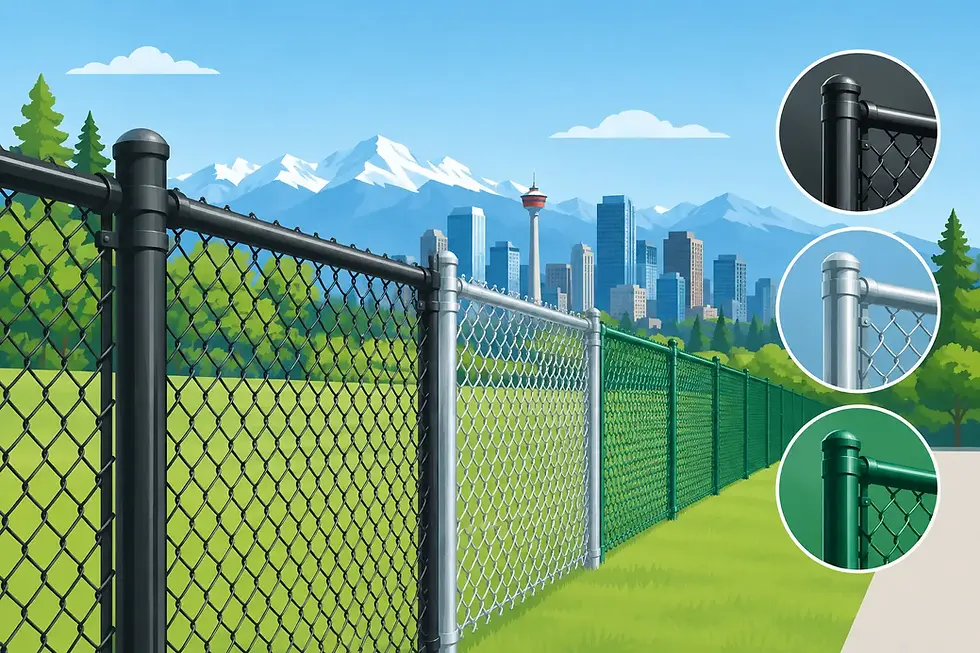
A complete fence price commonly includes the selected fencing material, line posts, corner posts, end posts, rails or framework, fittings, fasteners, and labor. For chain link fencing, that may include the fabric, top rail, tension wire where needed, post caps, tension bars, and ties. For vinyl, wood, PVC, or ornamental iron fencing, the quote should specify the posts, panels or pickets, rails, brackets, and hardware required for the chosen design.
Gate pricing should also be clear. A walk gate, double drive gate, custom-width gate, or commercial access gate requires different materials and installation time. If a gate is part of the project, the estimate should state its size, style, hardware, and location rather than treating it as an afterthought.
Labor is another major part of the value. Fence crews handle layout, posthole digging, concrete setting, assembly, alignment, and final adjustments. A fence that looks straight on installation day but has weak posts or poorly fitted gates will not deliver the long-term value most property owners expect. Paying for experienced installation helps protect the investment.
Cleanup matters, too. Fence installation can create soil piles, packaging, old material, and jobsite debris. Ask whether the quote includes normal installation cleanup and whether old fence removal is included when replacing an existing perimeter.
What Can Change the Price of a Fence Project
All inclusive does not mean every possible site condition can be predicted without seeing the property. It means the contractor should be direct about what is included, what could affect the scope, and how changes will be handled.
Fence length is the starting point, but it is not the only factor. A short fence with multiple corners, gates, slopes, and difficult access can require more labor than a longer, simple straight run. The material selected also changes the total. Chain link is often one of the most cost-effective choices for security, pet containment, dog runs, schools, commercial yards, and larger properties. Vinyl and PVC can provide a clean, low-maintenance appearance, while wood offers traditional privacy and ornamental iron provides a more polished security-focused look.
Height affects both material and installation requirements. A four-foot chain link fence around a residential yard is not priced the same as a six- or eight-foot commercial perimeter fence. Taller fencing uses longer posts, more fabric or panels, and often heavier framework. Privacy slats, windscreens, custom gates, and specialty colors can also change the final investment.
Ground conditions should be considered early. Rocky soil, hard-packed ground, buried concrete, retaining walls, steep grades, limited equipment access, and obstacles near the fence line can add time and labor. On commercial or industrial sites, underground utility locations, access requirements, traffic control, and coordination with other trades may affect scheduling and cost.
Permits, property-line verification, and HOA requirements are separate considerations. Some projects need approvals before installation begins. A reliable contractor can help identify practical requirements, but property owners should confirm local rules and boundary information before finalizing the fence location.
Removal and Disposal Need Their Own Line Item
If an old fence is already in place, do not assume removal is included unless it appears in writing. Taking out damaged wood panels, concrete-set posts, chain link fabric, or rusted framework adds labor and disposal costs. In some cases, existing posts can be reused, but only if their condition, spacing, and alignment are suitable for the new fence system.
A clear quote separates new installation from removal and disposal so you can see the full project cost. This is especially useful for large commercial yards, acreages, and properties with long existing fence lines.
Comparing Fence Quotes Without Missing the Details
The lowest quote is not always the lowest total cost. One contractor may provide a basic material-only figure while another includes labor, concrete, gate hardware, and cleanup. Comparing only the bottom line can lead to a misleading decision.
Ask each contractor to describe the material type, fence height, post spacing, gate details, and installation method. For chain link fencing, confirm the fabric gauge, framework size, and whether the system includes top rail and tension wire. For wood fencing, look at post size, rail count, board style, and whether staining or sealing is included. For vinyl and ornamental fencing, make sure the panel style and gate hardware match what you expect.
It also helps to confirm how changes are handled. If an unforeseen condition is found during installation, a professional contractor should discuss the issue and the available options before moving forward with additional work. Clear communication protects both the customer and the contractor.
At Vallarta Fence Calgary, the goal is to provide practical all-in pricing that accounts for the materials and professional installation needed for the job. Whether the project is a small backyard enclosure, a dog run, a warehouse perimeter, or a large commercial property, the right recommendation starts with the site and the purpose of the fence.
Choosing the Right Fence for Your Budget and Needs
The best fence is not always the most expensive option. It is the one that performs well for the property, holds up to daily use, and fits your budget without sacrificing essential workmanship.
Chain link fencing is a strong choice when security, visibility, and cost control are priorities. It works well around residential yards, sports areas, businesses, storage yards, industrial facilities, and pet areas. Privacy slats can be added when more screening is needed, although they increase material cost and may require consideration of wind exposure.
Wood fencing is often chosen for backyard privacy and a natural look. It can be customized with different board styles and heights, but wood requires ongoing maintenance and can be affected by moisture, temperature changes, and aging. Vinyl or PVC fencing offers a clean appearance with less maintenance, while ornamental iron is a durable option for properties that need security with a more refined finish.
For many projects, gates deserve extra attention. A gate must fit the daily use of the property, whether that means easy pedestrian access, room for a lawn mower, vehicle entry, or equipment access. Choosing the correct gate size at the start is usually more cost-effective than modifying the fence later.
Get a Quote Built Around the Actual Property
An accurate estimate begins with the basics: where the fence will go, how much linear footage is needed, the preferred material and height, the number of corners, and the gate locations. Photos and approximate measurements can help start the conversation, but an on-site review is often the best way to identify slopes, access challenges, existing fencing, and site conditions.
A good estimate should give you enough detail to move forward without making the process complicated. You should know what fence is being installed, what labor is included, what options affect the price, and what the finished project will accomplish for your property.
Before approving any fence project, ask for the scope in writing and make sure it reflects the way you plan to use the space. Clear pricing, quality materials, and professional installation turn a fence quote into a practical plan for protecting, securing, and improving your property.


Comments