


Fence Permits in Calgary: What to Know

A fence project can move quickly until one detail slows everything down - permits. If you are planning a new boundary fence, privacy fence, security fence, or gate, understanding fence permits in Calgary helps you avoid delays, redesigns, and extra costs before installation starts.
For homeowners, that usually means checking height, location, and whether the fence sits on the right property line. For commercial and industrial properties, it can also mean reviewing site use, gate access, visibility, and safety requirements. The main point is simple: a fence is not just a product choice. It is also a property improvement that may need to meet municipal rules.
When fence permits in Calgary matter most
Not every project runs into the same permit questions. In many cases, a standard fence replacement in the same general footprint is straightforward. Problems usually come up when the proposed fence is taller than expected, close to a corner, attached to a retaining feature, or part of a larger site upgrade.
That is especially true for properties with alleys, irregular lot lines, schools, warehouses, dog runs, and acreages. A backyard privacy fence on a typical residential lot is one thing. A chain link perimeter around a business facility with custom gates and access control is another. The more complex the site, the more important it is to verify requirements before materials are ordered and crews are booked.
In practical terms, permit issues matter most when they affect three things: whether the fence can be built as planned, how long the project takes to approve and install, and what the final price looks like once adjustments are made.
What can trigger permit or bylaw questions
Height is one of the first things people think about, and for good reason. Front yard fencing and backyard fencing are often treated differently, and corner lots can create additional visibility concerns. A design that works well for privacy may still need changes if it affects sightlines for drivers or pedestrians.
Location is another common issue. A fence placed directly on a property line can be fine in some situations, but only if the line is accurate. If the boundary is unclear, the job can turn into a dispute with a neighbor instead of a clean installation. On larger properties and commercial sites, setbacks and utility areas can also affect where posts and gates can go.
The fence type matters too. Chain link, wood, vinyl, ornamental iron, and PVC all serve different goals, but some materials make it easier to stay within visibility or security expectations. For example, chain link is often a smart fit for commercial and industrial properties because it offers perimeter control without fully blocking views. Privacy slats, wood panels, or solid vinyl sections may suit residential privacy better, but the design still has to match site rules.
Gates can also complicate a project. A simple walk gate is usually easier to plan than a large swinging or sliding access gate for vehicles. On commercial properties, gate size, swing clearance, and entry layout can affect compliance and day-to-day function at the same time.
Why permit mistakes get expensive
Most customers want the same thing: a clear quote, a clean install, and no surprises. Permit mistakes work against all three.
If a fence is designed without checking the site conditions first, you may end up paying for revisions after the estimate is done. That could mean changing the height, moving the layout, adjusting the gate style, or switching materials. None of those changes are ideal once a project is already in motion.
There is also the timeline issue. If a project is ready to go but approvals or clarifications are still pending, installation can get pushed back. That matters even more for businesses, property managers, schools, and industrial sites that are trying to coordinate multiple trades or meet a firm schedule.
The most expensive outcome is building first and fixing later. A fence that needs to be altered after installation costs more than a fence that was planned correctly from the start. Good planning protects your budget.
The smart way to plan your fence project
The best approach is to treat permits and bylaws as part of the quote stage, not as an afterthought. Before choosing materials or locking in the layout, confirm the basics of the property. That includes where the fence will go, how tall it needs to be, what purpose it serves, and whether there are any site-specific concerns.
For a homeowner, the goal may be privacy, curb appeal, pet containment, or security. For a commercial or industrial client, it may be perimeter control, durability, access management, or a combination of all four. Those priorities influence the right fence style, but they also affect whether the original plan is likely to run into approval issues.
A practical contractor will look at the job with both installation and compliance in mind. That saves time because the fence is being planned around the real site, not around a guess. It also helps you compare options honestly. Sometimes the lowest upfront idea is not the best value if it creates permit risk or requires later changes.
Choosing a fence that fits the property and the rules
This is where experience matters. Different materials solve different problems, and the right fit depends on the site.
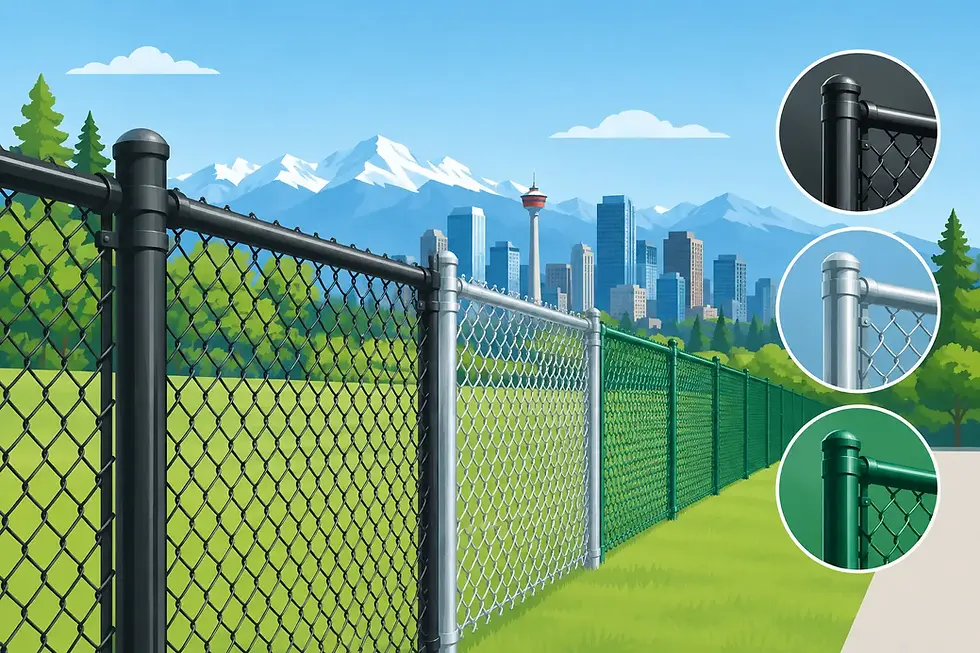
Chain link remains one of the most cost-effective options for residential side yards, commercial lots, schools, warehouses, dog runs, and industrial properties. It is durable, practical, and flexible for a wide range of layouts. If security is the main priority, chain link often gives you the best balance of performance and price. If more privacy is needed, slat options can improve screening without changing the whole system.
Wood fencing is popular for backyard privacy and a more traditional look, but the design needs to match the property conditions. Vinyl and PVC can appeal to customers who want a clean finish with lower maintenance. Ornamental iron works well when appearance and strength both matter, especially at entrances or higher-visibility areas.
The point is not that one material is always better. It depends on your goals, your budget, and what the site can reasonably support. A good quote should reflect all three.
Residential, commercial, and industrial projects are not the same
A lot of permit confusion starts when people assume every fence is treated the same way. It is not.
On a residential lot, the biggest issues are usually property lines, height, neighbor considerations, and visibility near the street. On a commercial site, there may be more focus on access points, perimeter definition, safety, and business function. Industrial properties often add another layer with wider spans, equipment traffic, larger gates, and stronger security expectations.
That is why a one-size-fits-all estimate rarely works well. The more the fence needs to do, the more important it is to build the project around actual site requirements.
How a professional contractor helps you avoid delays
A reliable fence contractor does more than install posts and panels. The real value is in planning the project properly, pricing it clearly, and helping you avoid preventable problems.
That means looking at the property layout, recommending the right material for the job, flagging potential permit concerns early, and giving you an estimate that reflects labor and materials together. Customers want straightforward pricing and practical answers, not vague assumptions.
For that reason, many buyers prefer working with a company that handles both supply and installation. It keeps the process simpler and reduces the risk of ordering the wrong system for the property. Vallarta Fence Calgary works with residential, commercial, and industrial customers who need practical fence solutions, competitive pricing, and professional installation that fits the site.
Before you request a quote
If you are planning a fence, it helps to have a few details ready. Know the rough length, the preferred height, the material you are considering, and whether you need one or more gates. If the property has a slope, alley, corner exposure, shared boundary, or large access opening, mention that early.
Those details make it easier to identify potential bylaw or permit concerns before the project reaches the installation stage. They also help produce a more accurate estimate, which is what most customers care about most.
A fence should add value, security, and function to your property without creating extra work later. The best projects start with a clear plan, realistic pricing, and the right questions asked upfront.


Comments