


Fence Quote With Labor Included Explained

A low fence price can look great until the extras start showing up. Post holes, concrete, tear-out, gate hardware, haul-away, and installation time can turn a simple number into a much bigger bill. That is why asking for a fence quote with labor included is one of the smartest ways to compare options and budget with confidence.
For homeowners, property managers, and business owners, the goal is simple. You want to know the real project cost before work starts. A clear quote should help you make a decision quickly, not leave you guessing about what the final invoice might look like. When labor is included upfront, it becomes much easier to compare fence types, plan the job, and choose a contractor that fits your property and budget.
Why a fence quote with labor included matters
An all-in quote gives you a more accurate picture of what you are actually buying. Instead of seeing a material number and trying to estimate the rest, you get pricing that reflects the complete installation. That includes the crew, equipment, layout, digging, setting posts, hanging gates, and finishing the fence so it performs the way it should.
This matters even more on projects where site conditions are not simple. Sloped yards, corner lots, commercial perimeters, dog runs, schools, acreages, and warehouse properties all have details that affect labor. If labor is left vague, two quotes that look similar on paper may be far apart in final cost.
A labor-included quote also helps prevent delays and change-order frustration. If the contractor has already reviewed access, measurements, fence style, and installation requirements, the estimate is usually much closer to reality. That saves time for everyone and keeps the project moving.
What should be included in the quote
Not every contractor structures estimates the same way, which is why the details matter more than the headline price. A strong quote should spell out both materials and installation in plain language.
In most cases, your quote should identify the fence type, overall footage, height, post spacing, gate count, and major components. It should also show whether labor covers layout, post installation, fastening, gate setup, cleanup, and debris removal. If an old fence needs to be removed, that should be addressed separately or clearly included.
For chain link fencing, a complete quote often includes posts, rails, mesh, fittings, concrete, gates, and any privacy slat options if requested. For wood, vinyl, ornamental iron, or PVC, the quote should clarify material grade and style so you know exactly what is being installed.
Good quotes are not always the shortest. They are the clearest. When pricing is easy to read, you can compare contractors based on actual scope instead of assumptions.
What can change the labor cost
Labor is not a flat number across every project. The same fence type can cost more or less to install depending on the property and the intended use.
Ground conditions are a major factor. Hard soil, rocky areas, roots, tight access, and uneven grades can all add time. A backyard with wide gate access is easier to work on than a narrow side yard with limited equipment access. Commercial and industrial sites may also involve longer runs, security gate requirements, or scheduling around operations.
Fence height changes labor too. A four-foot residential chain link fence is not the same install as a six-foot privacy fence or a taller security perimeter. Heavier materials, larger posts, and specialized gate systems all affect the crew time needed.
Customization adds cost, but it can also add value. Privacy slats, custom gates, ornamental details, and non-standard layouts typically require more labor. That does not mean they are not worth it. It just means your quote should reflect those choices honestly from the start.
Material choice and total installed price
If your main concern is value, material selection matters just as much as labor. Some materials are more affordable to install, while others cost more upfront but offer a different appearance or maintenance profile.
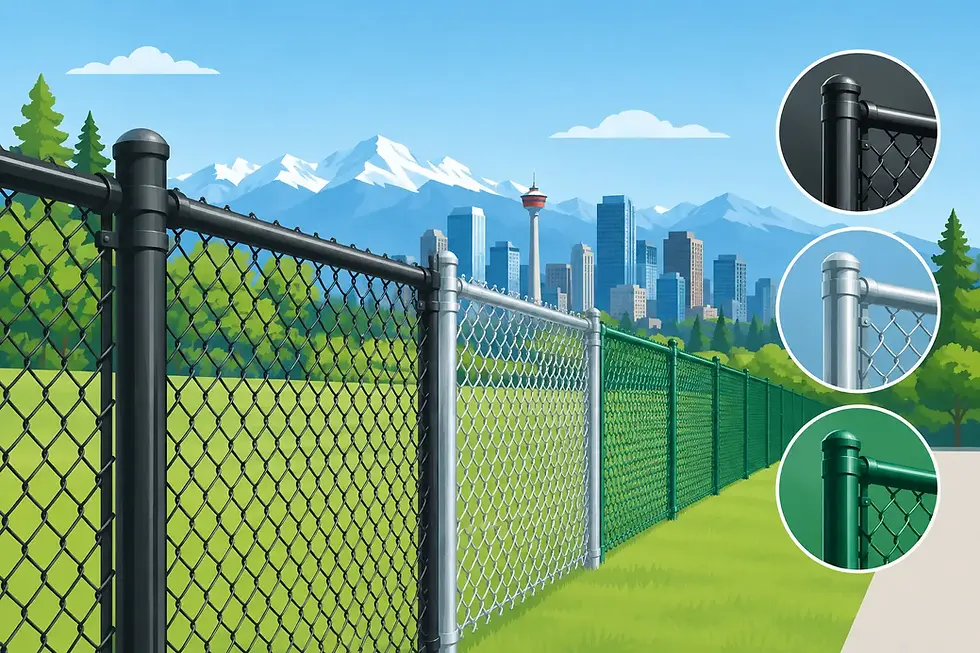
Chain link is often the most cost-effective choice for residential, commercial, and industrial projects. It installs efficiently, holds up well, and works across a wide range of property types. It is especially practical for backyards, side yards, dog runs, schools, warehouses, and perimeter security. If you want durability and function at a competitive price, chain link is hard to beat.
Wood can be a strong option for privacy and curb appeal, but labor may be higher depending on style, board layout, and finish details. Vinyl and PVC appeal to buyers who want a clean look with lower maintenance, though material pricing is usually higher. Ornamental iron offers a premium appearance and strong security, but it generally comes at a higher installed cost.
This is where an all-in estimate helps. Instead of trying to compare material prices alone, you can look at the full installed cost and decide what makes the most sense for your property.
How to compare fence quotes the right way
If you are reviewing two or three estimates, avoid focusing only on the lowest number. A cheaper quote is not always the better value if it leaves out parts of the job that will be billed later.
Start by checking scope. Are all quotes based on the same footage, height, gate count, and material quality? If one contractor priced a lighter product or fewer components, the numbers will not line up fairly. Then look at labor wording. Does the estimate clearly state installation is included, or is labor only partially defined?
It also helps to ask how site conditions were evaluated. Was the quote based on a real visit, measurements, and project discussion, or was it given as a rough guess? The more specific the review, the more reliable the number usually is.
A professional quote should make you feel informed, not pressured. Straight answers, defined scope, and realistic timelines are often a better signal than a bargain price with missing details.
Questions to ask before you approve the job
Before signing off, ask what is included and what is not. That sounds basic, but it avoids most quote confusion.
Confirm whether the price covers materials, labor, post setting, gate installation, cleanup, and disposal. Ask if there are extra charges for removing an existing fence, dealing with difficult ground, or adjusting for grade. If permits are required for your project, find out who handles them.
It is also smart to ask about lead time, installation schedule, and warranty coverage. A good contractor should be able to explain the process in a few direct answers. If the estimate feels vague now, it may feel even more vague when the work begins.
Residential, commercial, and industrial projects need different quoting
A backyard privacy fence and a warehouse perimeter are not priced the same way, even if they use similar materials. Residential clients are often focused on appearance, privacy, pets, children, and property lines. Commercial and industrial buyers may care more about access control, site security, traffic flow, and long-run durability.
That is why one-size-fits-all pricing rarely works. A proper quote should reflect the actual use of the fence, not just the material selected. Schools, business facilities, dog runs, and acreage properties all have different requirements, and labor needs to be priced around those realities.
For buyers who want speed and clarity, working with a contractor that handles both supply and installation simplifies the process. You get one scope, one price, and one team responsible for the result. That is often the fastest path from quote request to completed project.
What a reliable quote says about the contractor
A clear estimate is not just about pricing. It also tells you how the contractor runs the job. Companies that provide straightforward, all-in pricing usually understand their products, know how to measure accurately, and have enough installation experience to price labor confidently.
That kind of clarity matters whether you need a small residential fence or a large custom installation. At Vallarta Fence Calgary, the focus is practical: competitive pricing, professional installation, and quotes that reflect the full job instead of leaving customers to figure out the missing pieces later.
When you ask for a fence quote with labor included, you are not asking for anything unusual. You are asking for the real number. That is the number that helps you plan, compare, and move forward with confidence. If a quote gives you that clarity from the start, you are already on better ground before the first post goes in.


Comments