


How to Prevent Fence Post Frost Heave in Winter

A fence can look perfectly straight in October and be leaning, lifted, or out of alignment by spring. That is frost heave at work. To prevent fence post frost heave, the installation has to account for more than the weight of the fence. It must manage frozen soil, trapped water, post depth, and the demands of the specific fence material.
For homeowners, property managers, and business owners, the practical goal is simple: build a fence that stays secure through repeated freeze-thaw cycles without paying for avoidable repairs. Proper installation costs less than resetting a shifting fence line later.
What causes fence post frost heave?
Frost heave happens when moisture in the ground freezes and expands. In cold climates, frozen soil can bond to the sides of a fence post or its concrete footing. As the ice lenses grow, they can pull the post upward. When the soil thaws, the post does not always settle back into its original position.
The result may be a gate that no longer latches, chain link fabric that sags, panels that pull apart, or a visible rise in one section of fence. A single lifted post can put stress on the posts, rails, and hardware beside it.
Poor drainage is usually part of the problem. Soil that holds water around the post creates the conditions for ice formation. Shallow post holes, smooth-sided concrete footings, and posts set in low-lying areas are also more likely to move.
A fence does not need to be on a steep hill or in a wet backyard to experience frost movement. Snowmelt, roof runoff, irrigation, and naturally heavy soil can all leave enough moisture around a post to create trouble.
How to prevent fence post frost heave from the start
The best defense against frost heave is a properly planned installation. Once a fence is in place, drainage improvements and repairs can help, but they rarely match the value of getting the footings right before the fence is built.
Set posts below the local frost depth
Post depth is the foundation of a stable fence. In regions with hard winters, posts should extend below the local frost line so the base of the installation remains in more stable ground. The required depth varies by location, soil conditions, fence height, and whether the fence carries extra wind load.
A short decorative fence has different requirements than a tall privacy fence, a commercial perimeter, or a chain link enclosure with privacy slats. Taller fences catch more wind, while gates create concentrated stress on hinge and latch posts. Those posts often need deeper, wider footings than line posts.
There is no one-depth answer that fits every property. A professional installer should assess the fence layout, local ground conditions, grade changes, and the purpose of the fence before determining footing dimensions.
Build drainage into the post hole
Water is the fuel for frost heave. A compacted gravel base at the bottom of the hole gives water a place to drain rather than collect directly under the post. It also creates a firm bearing surface that helps keep the post from settling.
The surrounding grade matters just as much. Soil should slope away from fence posts where possible, especially near gates, corners, and low areas. If downspouts discharge near the fence, redirecting that runoff can protect both the footing and the fence materials.
For wet properties, drainage may need to be addressed before fence installation. This could mean adjusting grading, adding a drainage path, or choosing a fence layout that avoids the wettest ground. The right solution depends on where the water originates and where it can safely go.
Use the right footing shape and concrete placement
Concrete can make a post stronger, but concrete alone does not automatically stop frost heave. A straight, smooth concrete cylinder can give frozen soil a large surface to grip and lift. The footing should be designed to resist movement while allowing surface water to drain away from the post.
Installers often use a wider base or a footing profile suited to the soil and fence load. Concrete should be placed carefully, with attention to post alignment and the final grade. The top of the concrete should not form a bowl around the post where water can sit. A slightly crowned surface helps shed water outward.
Material choice matters here. Steel chain link posts, wood posts, and vinyl or PVC systems each require different installation methods. Steel posts are common for chain link fencing because they are durable and suited to secure tensioned fabric. Wood posts require attention to rot resistance and moisture exposure. Vinyl systems need stable, properly sized supports to keep panels aligned through seasonal movement.
Treat gate posts as structural posts
Gate posts work harder than ordinary line posts. Every opening and closing cycle transfers force into the hinges, latch, and footings. A gate that is too heavy for its posts or installed in shifting soil can quickly become difficult to operate.
For driveway gates, access gates, dog run gates, and commercial gates, plan for larger posts and stronger footings. The post depth, concrete volume, and hardware should match the gate width, height, and expected use. This is particularly valuable for properties where gate access is used daily by vehicles, tenants, staff, or delivery crews.
Match the installation to your fence type
A good frost-heave strategy is not identical for every fence. The fence design affects how much movement is acceptable and how easily one displaced post can affect the rest of the line.
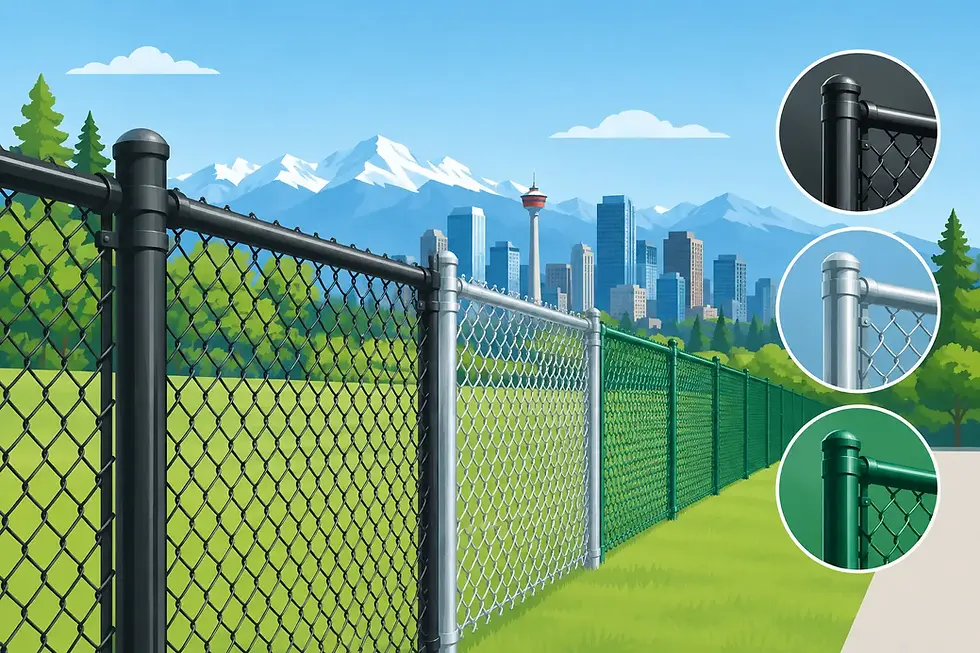
Chain link fencing is flexible compared with rigid wood panels, but it still depends on stable terminal posts, corner posts, and gate posts. When a terminal post lifts, the fabric tension can change and create sagging or an uneven top rail. Properly anchored end and corner posts are a priority on residential, commercial, and industrial chain link projects.
Wood privacy fencing needs consistent post spacing, level rails, and stable posts to keep panels from twisting or separating. Because solid wood panels catch substantial wind, a shifting post can create a larger structural issue than many owners expect. Drainage and footing depth are especially valuable on long privacy fence runs.
Ornamental iron fencing and vinyl fencing have clean, rigid lines that make even small movement noticeable. A post that rises by an inch can throw off panel alignment and hardware. These systems benefit from accurate layout, strong post support, and careful grading around each footing.
Warning signs that frost is moving your fence
Frost heave often starts as a small issue. Watching for early signs can limit the scope of repairs after winter.
Look for posts that sit higher than neighboring posts, new gaps below fence panels, loose chain link fabric, cracks around concrete, or gates that drag, bind, or miss the latch. A fence line that appears wavy after snowmelt may also indicate that individual footings have moved.
Do not rush to reset a post while the ground is still frozen or saturated. The underlying moisture and soil conditions need to be addressed, or the repair may fail during the next winter. A proper assessment should identify whether the issue is isolated to one post, related to drainage, or caused by shallow or undersized footings across a larger section.
Can an existing fence be fixed?
Yes, but the repair should match the cause. A slightly lifted line post may be reset and re-tensioned. A failing gate post may need a new, deeper footing and upgraded hardware. If several posts move every winter, selective repairs may not be enough, and replacing a problem section can be the more cost-effective choice.
Avoid quick fixes such as piling soil around the post, adding loose surface gravel, or forcing a gate back into position. These may hide the symptom for a short time, but they do not correct water collection or inadequate footing depth.
For older fences, it also makes sense to consider the condition of the material before investing in repairs. If wood posts are rotting, chain link fabric is heavily worn, or multiple panels are damaged, a replacement project may deliver better long-term value than repeated service calls.
Choose installation that is built for local conditions
Fence post frost heave is not just a winter inconvenience. It can affect security, privacy, access, and the appearance of the entire property. The most dependable approach is to plan the fence around soil conditions, drainage, frost depth, wind exposure, and the real demands placed on gates and posts.
Vallarta Fence Calgary provides practical fence solutions for homes, businesses, acreages, schools, warehouses, dog runs, and other properties that need dependable installation. A clear estimate and the right installation plan can help you avoid the cost and frustration of a fence that shifts after every hard winter.
If your fence is leaning after thaw or you are planning a new installation, start with the ground beneath it. A properly supported post gives every fence material a better chance to stay straight, secure, and ready for the seasons ahead.


Comments